Everything Sourdough One-page recipe
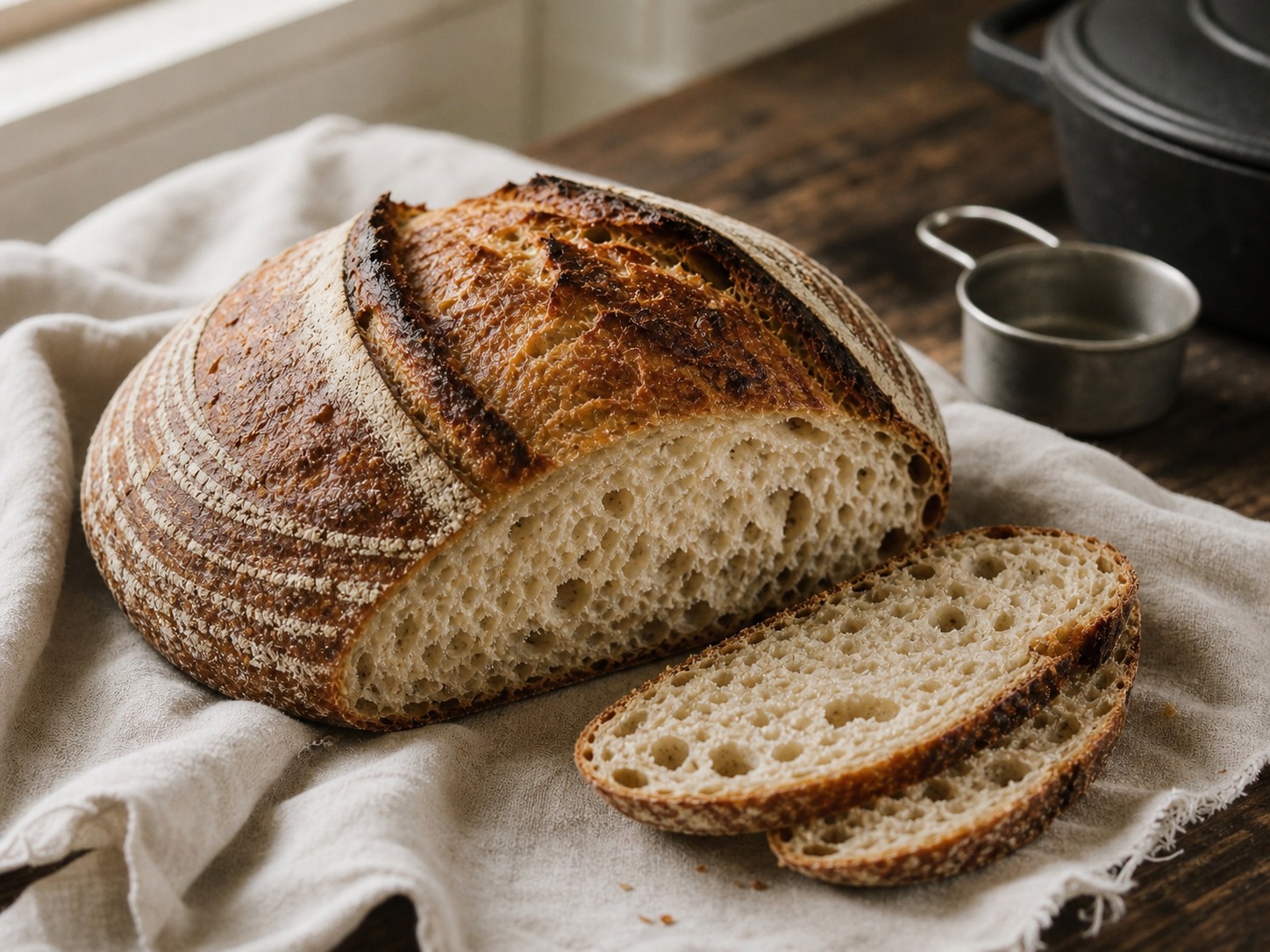
Same-Day No-Scale Sourdough Bread
A simple cup-measured boule with a crisp Dutch-oven crust, a soft airy crumb, and no kitchen scale required.
- Total time
- About 7½–9 hr from mixing
- Yield
- 1 round loaf
- Starter
- Active starter
- Heat
- 425°F / 218°C
Ingredients
Dough
- 1/2 cup active, bubbly sourdough starter (125 ml)
- 1 2/3 cups lukewarm filtered or bottled water
- 3 1/2 cups bread flour
- 1 tsp kosher or sea salt (5 ml)
Shape & Proof
- As needed bread flour, for the work surface
- About 1 Tbsp rice flour, for the banneton
Method
Prepare & MixStart with active starter
- Feed the starter and let it become active, airy, and bubbly. A refrigerated starter may be ready about 3 hours after feeding in a warm kitchen, but follow its activity rather than the clock.
- In a large bowl, whisk the starter and lukewarm water until the thick starter has dispersed.
- Add the bread flour and salt. Mix with a wooden spoon, scraping the bowl, until no dry flour remains. The dough will look rough and lumpy.
- Cover and rest in a warm place for 30 minutes.
Stretch, Fold & RiseAbout 4–5 hours
- Perform the first set of stretch and folds: lift one side of the dough, stretch gently, and fold it over the center. Turn the bowl and repeat for a total of 4 folds.
- Cover and return the dough to the warm place for 30 minutes.
- Perform a second set of 8 stretch and folds, working all the way around the dough. No extra water or flour is needed on your hands.
- Cover and let the dough rise until doubled, about 3 to 4 hours. Look for visible bubbles and a noticeably expanded dough.
Shape the Loaf15–20 minute bench rest
- Lightly dust the work surface with bread flour and turn out the dough. Gently stretch it into a rough rectangle.
- Fold one side into the center, fold the opposite side over it, then roll the dough up.
- Use your hands or a bench scraper to pull the dough into a taut round. Let it rest uncovered for 15 to 20 minutes.
Short Cold Proof1½–2 hours
- Dust a 10-inch round banneton with about 1 Tbsp rice flour.
- Invert the dough into the banneton so the smooth side faces down and the seam faces up. Cover and refrigerate for 1½ to 2 hours.
Score & Bake45 minutes
- Toward the end of the cold proof, preheat the oven to 425°F with the Dutch oven and its lid inside.
- Turn the cold dough onto parchment paper. Score the loaf along one side with a lame or sharp knife.
- Carefully lower the dough and parchment into the hot Dutch oven. Cover and bake for 25 minutes.
- Remove the lid and bake for another 20 minutes, until the crust is deeply browned.
- Transfer to a wire rack and cool completely, about 1 hour, before slicing.
Helpful Notes
My saved note:
Everyday Bread - Active starter
Same-Day No-Scale Sourdough Bread
A simple cup-measured boule with a crisp Dutch-oven crust, a soft airy crumb, and no kitchen scale required.
- Total time
- About 7½–9 hr from mixing
- Hands-on
- 35 min
- Yield
- 1 round loaf
- Starter
- Active starter
- Difficulty
- Intermediate
- Heat
- 425°F / 218°C
- Pan or vessel
- 10-inch banneton + Dutch oven
Gather first
Ingredients
Ingredients
Dough
- 1/2 cup active, bubbly sourdough starter (125 ml)
- 1 2/3 cups lukewarm filtered or bottled water
- 3 1/2 cups bread flour
- 1 tsp kosher or sea salt (5 ml)
Shape & Proof
- As needed bread flour, for the work surface
- About 1 Tbsp rice flour, for the banneton
Method
Step by step
Part 1
Prepare & Mix
- Feed the starter and let it become active, airy, and bubbly. A refrigerated starter may be ready about 3 hours after feeding in a warm kitchen, but follow its activity rather than the clock.
- In a large bowl, whisk the starter and lukewarm water until the thick starter has dispersed.
- Add the bread flour and salt. Mix with a wooden spoon, scraping the bowl, until no dry flour remains. The dough will look rough and lumpy.
- Cover and rest in a warm place for 30 minutes.
Part 2
Stretch, Fold & Rise
- Perform the first set of stretch and folds: lift one side of the dough, stretch gently, and fold it over the center. Turn the bowl and repeat for a total of 4 folds.
- Cover and return the dough to the warm place for 30 minutes.
- Perform a second set of 8 stretch and folds, working all the way around the dough. No extra water or flour is needed on your hands.
- Cover and let the dough rise until doubled, about 3 to 4 hours. Look for visible bubbles and a noticeably expanded dough.
Set a check timer
Part 3
Shape the Loaf
- Lightly dust the work surface with bread flour and turn out the dough. Gently stretch it into a rough rectangle.
- Fold one side into the center, fold the opposite side over it, then roll the dough up.
- Use your hands or a bench scraper to pull the dough into a taut round. Let it rest uncovered for 15 to 20 minutes.
Set a check timer
Part 4
Short Cold Proof
- Dust a 10-inch round banneton with about 1 Tbsp rice flour.
- Invert the dough into the banneton so the smooth side faces down and the seam faces up. Cover and refrigerate for 1½ to 2 hours.
Set a check timer
Part 5
Score & Bake
- Toward the end of the cold proof, preheat the oven to 425°F with the Dutch oven and its lid inside.
- Turn the cold dough onto parchment paper. Score the loaf along one side with a lame or sharp knife.
- Carefully lower the dough and parchment into the hot Dutch oven. Cover and bake for 25 minutes.
- Remove the lid and bake for another 20 minutes, until the crust is deeply browned.
- Transfer to a wire rack and cool completely, about 1 hour, before slicing.
Part 6
Helpful Notes
For next time
My Kitchen Notes
Keep track of changes, room temperature, proofing cues, or anything you want to repeat next time.
Finish well
After baking
Doneness, storage, and reheating notes for this recipe.
Doneness
Deeply browned crust; cool about 1 hour before slicing
Storage
Keep the fully cooled loaf cut-side down for the first day, then airtight; freeze slices for longer storage.
Reheat or serve
Refresh the loaf at 350°F / 177°C for 8–12 minutes or toast individual slices.
Keep Baking
Related sourdough recipes
Everyday Bread
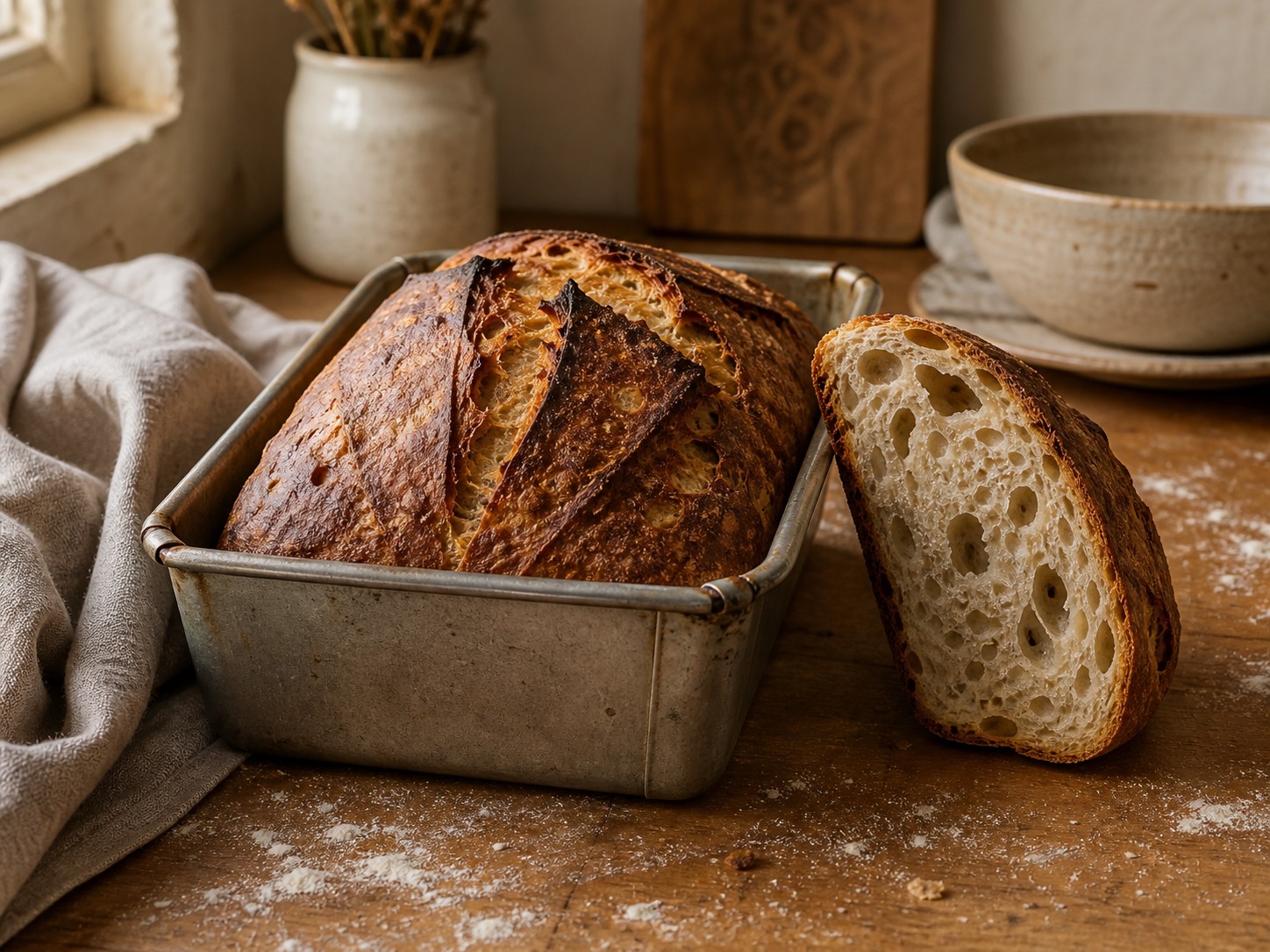
One Day Sourdough Loaf
A same-day sourdough loaf with a six-hour bulk rise, an accelerated freezer proof, and a covered loaf-pan bake.
Everyday Bread
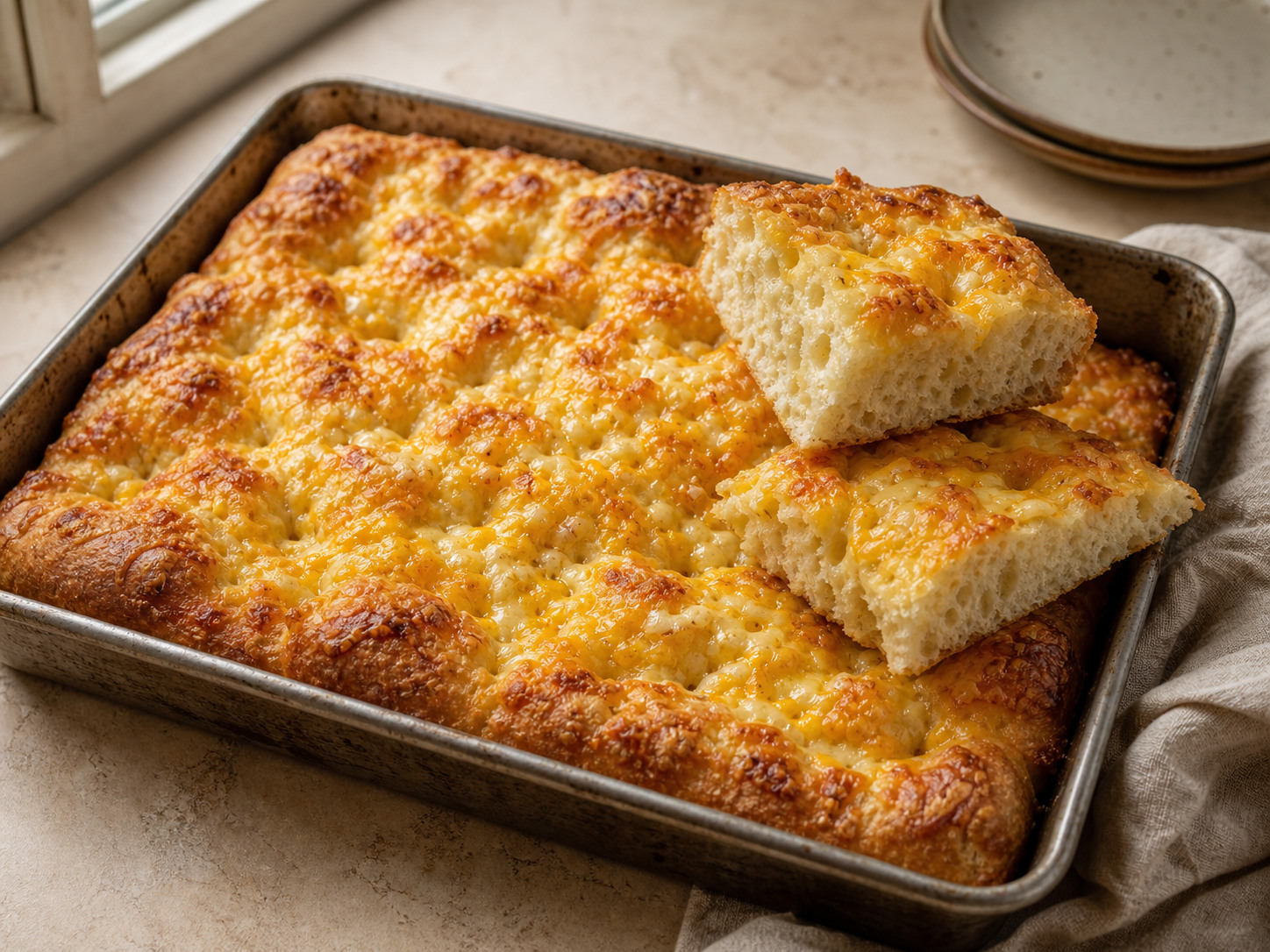
One-Day Cheesy Garlic Sourdough Focaccia
A forgiving, same-day focaccia with a crisp buttery crust, pockets of garlic, and a golden layer of melted Colby Jack.
Everyday Bread
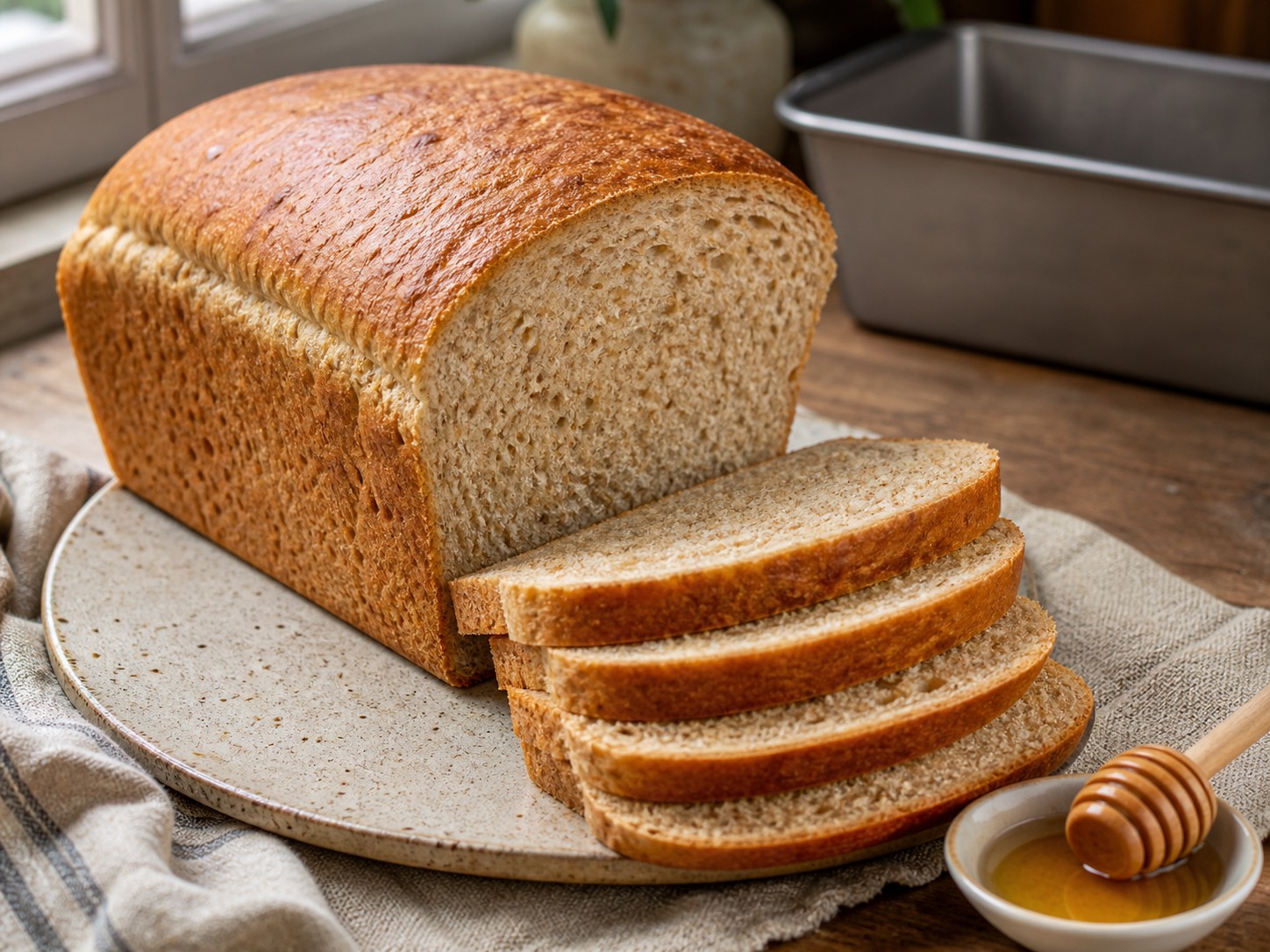
One-Day Honey-Wheat Sourdough Sandwich Loaf
A soft, lightly sweet whole-wheat loaf with a flexible same-day rise, two simple sets of stretch and folds, and a dependable sandwich-ready crumb.